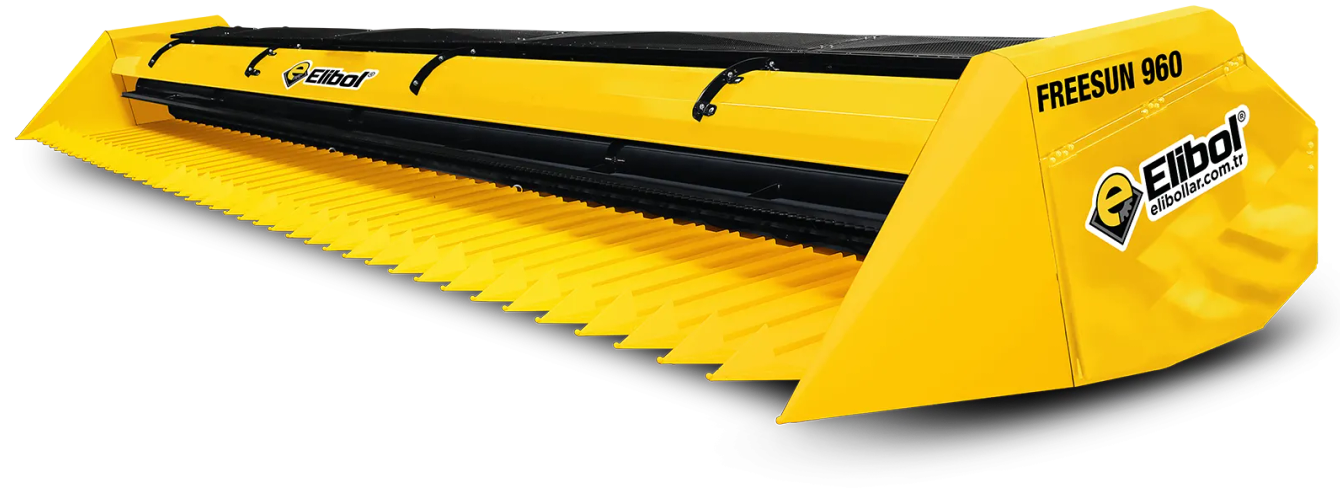
Wooden crate and protection
Confirm that the crate drawing supports the header at approved frame points, keeps weight off the collection trays and protects the cutting edge, paint and exposed connections. Specify moisture protection for the route and verify whether any adapter or loose components need separate packing. Check destination and transit-country rules for solid-wood crate parts, skids and dunnage, including applicable ISPM 15 treatment and marking.
IPPC guide to ISPM 15 ↗
Palletizing and handling
Have the packer assess a load-rated skid or integrated crate base sized to the packed header. Ask for the support spacing, load rating, centre of gravity and approved lift points. Confirm whether the base has rated fork pockets and whether the crate is rated for stacking. Agree on the units per crate and transport unit after the design is approved.
IMO/ILO/UNECE CTU Code, chapter 9 and annex 7 ↗
Loading and securing
Give the forwarder the outer crate dimensions, gross weight and loading drawing. Verify opening clearance, floor point loads, payload and available lifting equipment before choosing a truck or container. If the crate exceeds standard space or requires top loading, ask about an open top or flat rack. Agree on blocking and rated lashings to prevent movement in transit. For applicable sea containers, arrange verified gross mass before vessel loading.
Maersk special cargo guide ↗ IMO verified gross mass requirements ↗
Trade terms and documents
The product record lists FOB. Confirm the named port and Incoterms® edition. If the carrier takes delivery at a container terminal before vessel loading, discuss FCA with the parties. Agree on the commercial invoice, packing list, Turkish export declaration and carrier document. Ask the importer’s broker to validate the proposed HS 843359 against the supplied attachment and identify destination-specific permits or conformity documents.
ICC Incoterms® 2020 checklist ↗ Türkiye Ministry of Trade export regime ↗